An autoimmune condition where the body stops making insulin — manageable with modern tools.
What is it
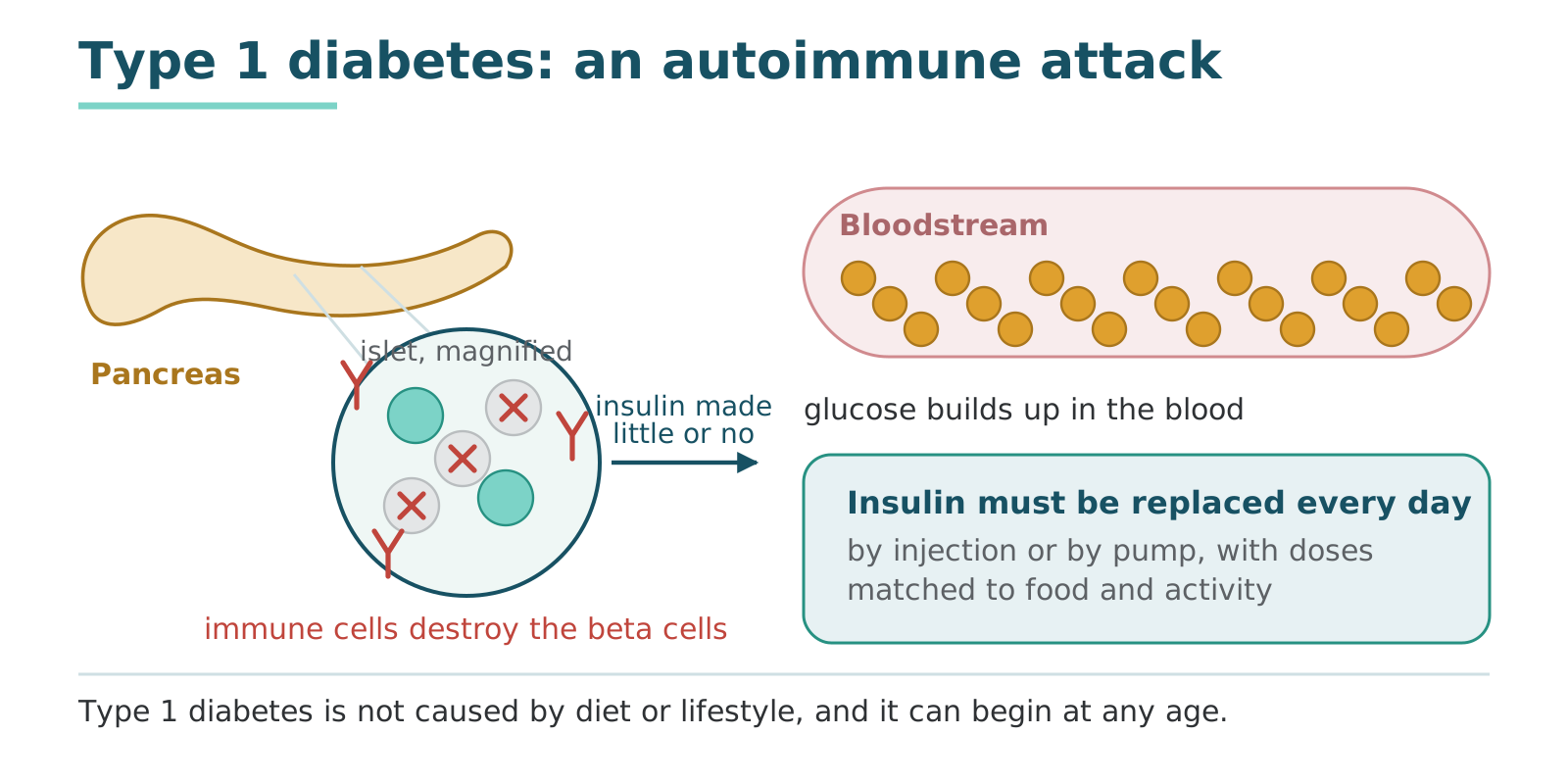
In type 1 diabetes the immune system mistakenly attacks and destroys the cells in the pancreas that make insulin. Without insulin, glucose cannot get into the cells, so it builds up in the blood while the body itself is starved of fuel.
It most often begins in childhood or young adulthood but can appear at any age. It is not caused by diet or lifestyle, and nothing you or your family did brought it on. Because the body makes little or no insulin of its own, insulin must be replaced every day for life — and with today’s pumps, sensors and insulin formulations, that replacement can be done with a precision that was simply not available a generation ago.
The diagnosis begins with blood glucose testing. A fasting glucose, a random glucose or an HbA1c will confirm that blood sugar is high, and in type 1 diabetes the levels are often strikingly so.
How it is diagnosed
Antibody testing then distinguishes type 1 from type 2. These blood tests detect the immune markers of the autoimmune process, and they matter because the two conditions are treated quite differently.
The warning signs of type 1 diabetes tend to arrive quickly rather than gradually: intense thirst, passing urine frequently, unexplained weight loss and fatigue, and sometimes a dangerous complication called diabetic ketoacidosis. Because it can develop over days rather than months, we would always rather see someone early than late.
HbA1c
A result of 6.5 per cent or higher points to diabetes, while a result between 5.7 and 6.4 per cent sits in the prediabetes range.
Fasting Glucose
A fasting glucose test measures your blood sugar after an overnight fast.
Glucose Tolerance Test
An oral glucose tolerance test measures glucose before and again two hours after drinking a measured sugary drink.
Symptoms
Symptoms may include increased thirst, frequent urination, tiredness, blurred vision or cuts that are slow to heal.
Many people, however, feel entirely well in the early years, which is why testing rather than symptoms is what usually leads to the diagnosis.
How it is managed
Insulin is the foundation of treatment. It is given either by injection with pens or syringes, or through an insulin pump, and the doses are matched to what you eat and how active you are. Learning how carbohydrate affects your glucose is a large part of dosing accurately, and this is a skill that is taught rather than assumed.
Continuous glucose monitors have changed day-to-day life considerably. These wearable sensors display your glucose in real time and show which way it is heading, which removes much of the guesswork and improves both safety and control. Our team helps you choose a system, set it up and interpret the data it produces.
Planning for hypoglycaemia is equally important. We teach you to recognise and treat a low quickly, and to carry fast-acting sugar at all times. Over the longer term we arrange regular checks of your eyes, kidneys, nerves and heart health, so that any early change is picked up while it is still reversible.
When to seek care promptly
Vomiting, abdominal pain, fruity-smelling breath, rapid breathing or drowsiness may indicate diabetic ketoacidosis and require emergency assessment. Severe low blood glucose with confusion, seizure or loss of consciousness is also a medical emergency.
Further reading
Breakthrough T1D, formerly JDRF (breakthrought1d.org), the American Diabetes Association (diabetes.org) and the NIDDK (niddk.nih.gov/health-information/diabetes) all provide trustworthy information written for patients.
Speak with our team
Our specialist endocrinologists diagnose and manage this condition every day. Request a consultation with our team today.