The most common form of diabetes — often preventable and very manageable.
What is it
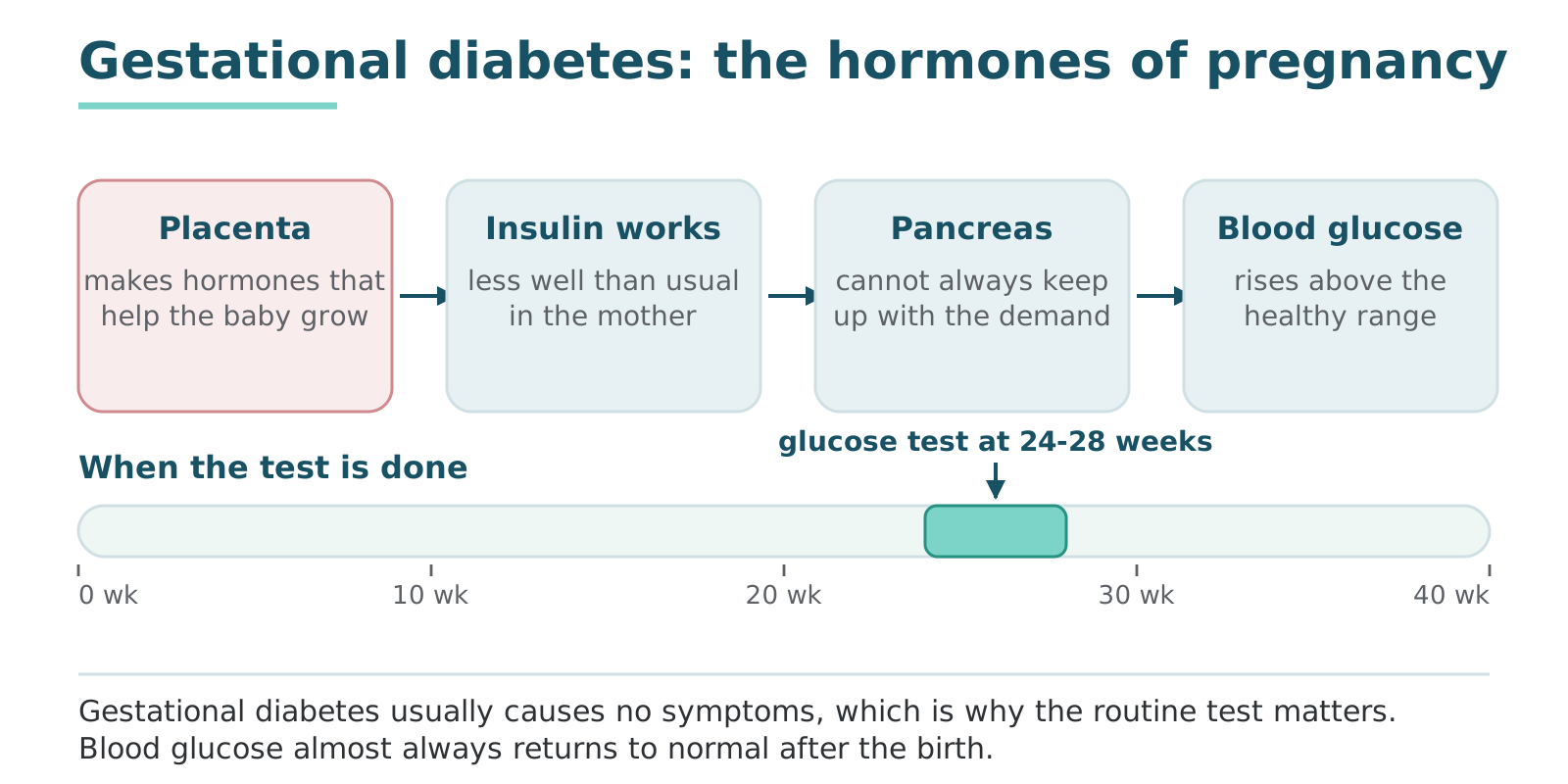
During pregnancy the placenta produces hormones that help the baby grow. Those same hormones make the mother’s cells less responsive to insulin. Most women compensate by making extra insulin, but when the pancreas cannot keep up, blood glucose rises. That is gestational diabetes.
It usually causes no symptoms whatsoever, which is precisely why routine screening matters. Well-managed gestational diabetes leads to healthy pregnancies and healthy babies.
Left untreated, persistently high glucose can result in a larger baby, a more complicated delivery and low blood sugar in the newborn — all of which are largely avoidable with straightforward care.
How it is diagnosed
A glucose test is offered routinely to most pregnant women, usually between 24 and 28 weeks. The test involves drinking a measured sugary drink and having your blood glucose checked at set times afterwards.
Testing is offered earlier in pregnancy if you have risk factors such as gestational diabetes in a previous pregnancy, a strong family history of diabetes, polyendocrine metabolic ovarian syndrome, or a higher weight at the start of pregnancy. Being offered an early test is not a cause for alarm; it simply gives us more time to act if the result is abnormal.
HbA1c
A result of 6.5 per cent or higher points to diabetes, while a result between 5.7 and 6.4 per cent sits in the prediabetes range.
Fasting Glucose
A fasting glucose test measures your blood sugar after an overnight fast.
Glucose Tolerance Test
An oral glucose tolerance test measures glucose before and again two hours after drinking a measured sugary drink.
Symptoms
Symptoms may include increased thirst, frequent urination, tiredness, blurred vision or cuts that are slow to heal.
How it is managed
Most women manage gestational diabetes with changes to eating and activity alone. The aim is balanced meals with carbohydrate spread evenly through the day rather than concentrated in one or two sittings, and we can refer you to a dietitian experienced in pregnancy nutrition. Safe, gentle movement also helps lower glucose after meals.
Checking your glucose at home at set times shows how you are responding and guides any change in treatment. Where diet and activity are not enough, medication is added — insulin is safe in pregnancy and is the usual choice, and some women use metformin instead or in addition.
After the birth, blood glucose almost always returns to normal. Gestational diabetes does, however, raise your future risk of type 2 diabetes, so we arrange a follow-up glucose test after delivery and periodic checks in the years afterwards. This is one of the clearest opportunities in medicine to prevent a condition before it starts.
When to seek care promptly
Contact your team if your glucose readings sit persistently outside the range you were given. Reduced fetal movements, or any other concern about your pregnancy, should be raised with your maternity team straight away.
Further reading
The American Diabetes Association (diabetes.org), the NIDDK’s gestational diabetes pages (niddk.nih.gov/health-information/diabetes) and the Endocrine Society patient hub (hormone.org) are all reliable starting points.
Speak with our team
Our specialist endocrinologists diagnose and manage this condition every day. Request a consultation with our team today.